
By Melissa Paris, Winemaker
Hello Everyone.
A Wet Winter and Late Spring Rains
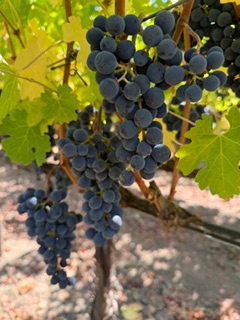
As we move into the heart of the growing season, our vineyards are progressing beautifully. This year, Napa Valley benefited from a wet winter followed by meaningful spring rainfall that arrived later than usual. Those late-season rains helped replenish soil moisture profiles and delayed the need for irrigation in many vineyards, allowing the vines to rely on natural water reserves longer into the growing season than we often see.
Managing Irrigation for Balanced Vines
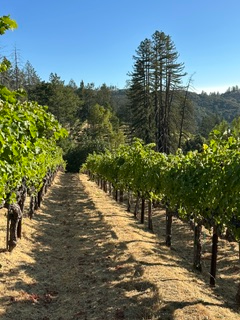
As temperatures begin to rise and the soils gradually dry, our focus shifts to carefully managing irrigation to balance vine health, canopy growth, and fruit development. Water is one of the most important tools we have in the vineyard, and every irrigation decision is made with the goal of producing balanced vines and exceptional fruit. Thoughtful water management not only influences berry size and canopy growth, but ultimately impacts concentration, texture, and the overall quality of the wines we produce.
Paratus Vineyard: Dry Farming on Mt. Veeder
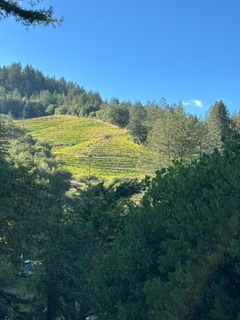
One exception is our Paratus Vineyard on Mt. Veeder, which is currently the only vineyard in our program that is completely dry farmed. While the rest of our vineyards receive carefully managed irrigation as needed, Paratus relies entirely on natural rainfall and the vine’s ability to draw moisture from deep within the mountain soils. The site’s mature root systems, rugged terrain, and unique growing conditions produce fruit with remarkable concentration, structure, and a strong sense of place. It serves as a wonderful reminder of the resilience of the vine and the many different paths to achieving exceptional quality.
Preparing the Cellar: Why Barrel Selection Matters
While much of my focus this time of year is on the vineyard, we are also actively preparing the cellar for harvest. Barrel fermentation remains a cornerstone of our winemaking program, particularly for many of our top Cabernet Sauvignon and Bordeaux varietal lots. Because these wines begin their journey in barrel, barrel selection becomes just as important as vineyard selection. The origin of the oak, grain tightness, cooperage style, barrel construction, and toast level all influence how the wine develops, contributing to texture, tannin integration, aromatic complexity, and overall balance.
From the Tronçais Forest to the Cooperage
Earlier this month, I traveled to France to deepen my understanding of this process from its very source. I had the opportunity to bike through the historic Tronçais oak forest, located in central France, where many of the world’s finest coopers source their wood, gaining firsthand appreciation for the forests that ultimately influence the wines we produce. From there, I visited a stave mill and followed the journey of the oak as it was transformed from carefully selected timber into seasoned staves destined for barrel production.
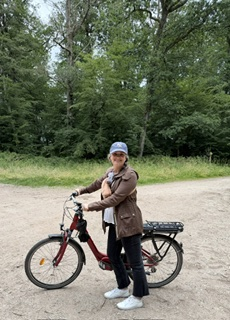
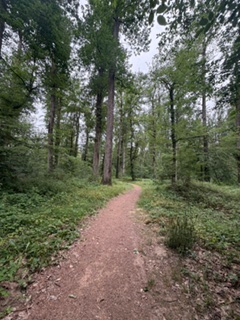
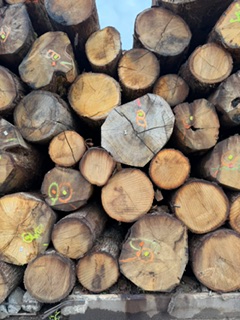
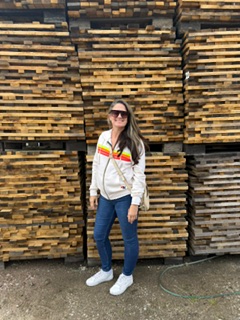
The experience culminated at the cooperage, where I observed artisans crafting barrels using techniques refined over centuries. One of the highlights was witnessing the toasting process firsthand. Toasting plays a critical role in how a barrel influences a wine’s aroma, texture, tannin integration, and overall complexity. For the Alpha Omega program, selecting the right toast profile is essential—my goal is to complement the wine, never overpower it. In a few weeks, I’ll share more about the fascinating world of French oak, barrel selection, and toast profiles in Part 2 of my Winemaker’s Update.
Looking Ahead to an Early Harvest
As we prepare for harvest, the first shipments of new French oak barrels are expected to arrive as early as next week. Experiencing the entire process—from forest to stave mill to cooperage—provided invaluable insight. That knowledge is truly an educational gift and will help guide the decisions we make as we prepare to receive the 2026 vintage.
Harvest is looking to be early this year, and with less than three months remaining until the first fruit arrives, both my vineyard and cellar teams are busy laying the foundation for what we hope will be another exceptional vintage. The combination of thoughtful farming, meticulous preparation, and a commitment to continuous learning remains at the heart of everything we do.